
Quick Summary
- Lightning strikes can cause serious damage to commercial buildings, electrical equipment and essential business operations.
- Malaysia’s tropical weather, frequent thunderstorms and heavy rainfall make lightning safety an important part of building maintenance.
- A professionally installed lightning protection system helps direct electrical discharge safely into the ground.
- Proper earthing, surge protection and regular inspections help reduce electrical risks and protect sensitive equipment.
- Commercial property owners should arrange professional installation and maintenance to support long-term building safety.
1. Why Is Lightning Protection Important for Commercial Buildings in Malaysia?
Malaysia experiences frequent thunderstorms, particularly during the inter-monsoon periods. Heavy rainfall, changing weather conditions and atmospheric electrical activity can increase the risk of lightning strikes in different parts of the country.
For commercial buildings, lightning is more than a weather-related concern. A direct strike can damage rooftop structures, electrical installations, communication systems and other essential equipment. Even when lightning strikes nearby, electrical surges can travel through power lines and affect connected devices.
Office buildings, shopping malls, factories, warehouses and high-rise properties often depend on electrical systems to support their daily operations. Unexpected electrical damage can interrupt business activities and create safety concerns for employees, visitors and building occupants.
This is why property owners should consider professional lightning protection as part of their overall building safety planning.
2. How Does a Professional Lightning Protection System Work?
A lightning protection system provides a controlled path for lightning current to travel safely from the building’s uppermost exposed areas towards the ground.
Instead of allowing electrical energy to pass through random building components, the system uses specially designed conductors and grounding arrangements to manage the discharge.
A typical installation includes several important components:
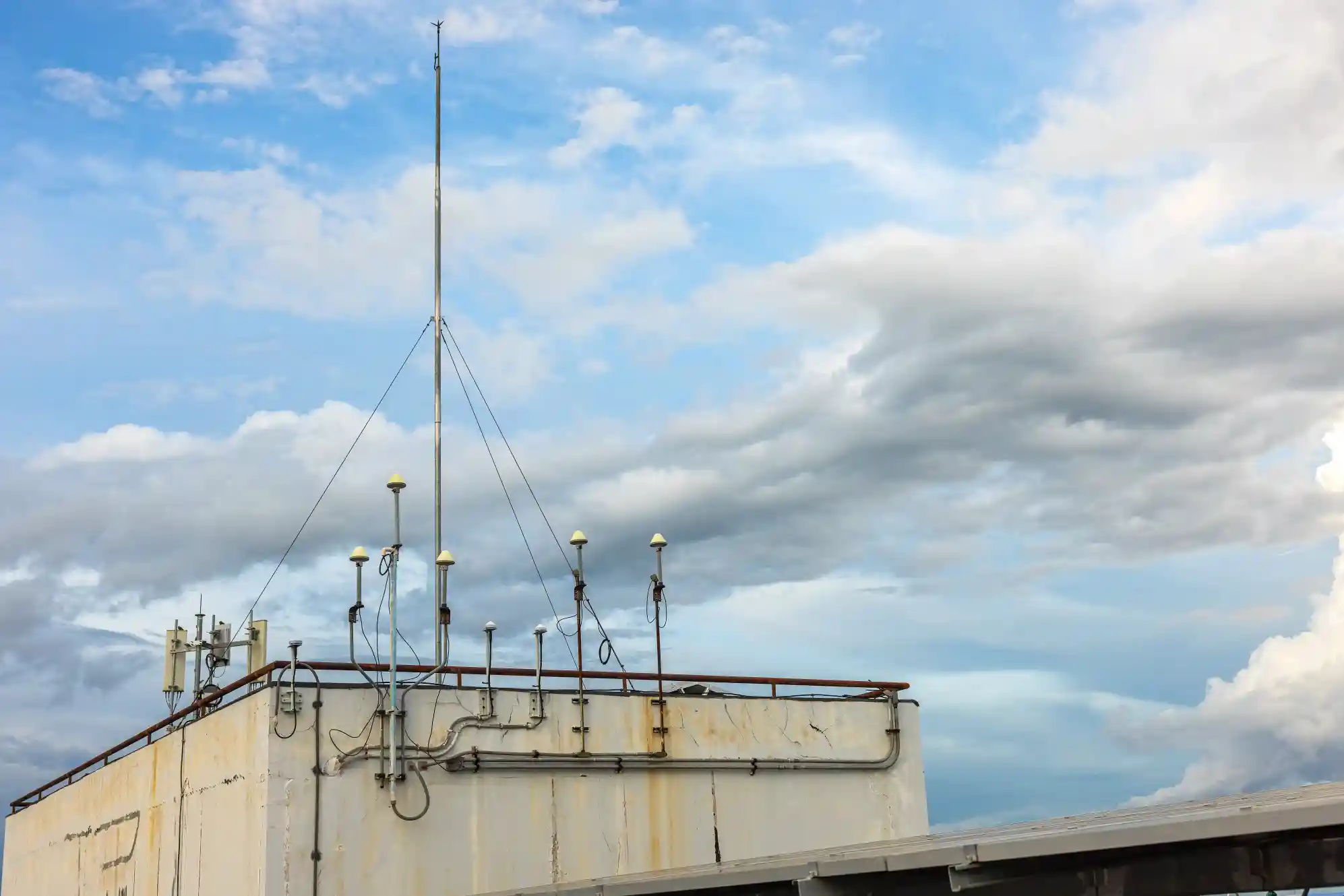
Air Terminals: These are installed at suitable locations on rooftops and exposed structures to intercept lightning strikes.
Down Conductors: These conductors provide a designated path for lightning current to travel from the roof towards the grounding arrangement.
Earth Electrodes: These are installed in the ground to help disperse electrical current safely into the earth.
Surge Protection Devices: These devices help protect electrical and electronic equipment against transient voltage surges.
All components must work together as a complete system. Their positioning, connections and installation methods should be planned according to the building’s structure and applicable technical standards.
3. What Are the Key Areas Protected by Lightning Protection Installation?
Commercial buildings contain different structural and electrical elements that require proper protection planning.
Here are some important areas that professional installation helps address.
Rooftop Structures and Building Exteriors
Rooftops are among the most exposed areas during thunderstorms. Air-conditioning equipment, communication antennas, rooftop water tanks and other installations may increase the number of exposed points.
A properly planned external protection arrangement helps provide a controlled path for lightning current while considering the building’s rooftop layout and structural features.
Electrical Distribution Systems
Electrical panels, distribution boards and connected equipment can be affected by lightning-related surges. These disturbances may damage electrical components and interrupt normal building operations.
Surge protection devices can help reduce the effects of transient overvoltage when correctly selected and installed.
Communication and IT Equipment
Modern commercial buildings depend on computers, servers, CCTV cameras, access control systems and communication networks.
Lightning-related electrical disturbances can affect these systems, resulting in equipment problems and interruptions to essential services. Suitable surge protection should therefore be considered for relevant power and data connections.
Industrial Machinery and Equipment
Factories and industrial facilities often operate machinery that depends on stable electrical supplies. Lightning-related electrical disturbances can affect control panels, automation systems and production equipment.
A suitable protection plan helps address these risks as part of the facility’s overall electrical safety arrangements.
4. Why Is Professional Lightning Protection System Design Necessary?
Every commercial building has a different structure, height, rooftop arrangement and electrical configuration. Therefore, installing identical equipment across different properties may not provide suitable protection.
Professional design begins with understanding the building’s physical characteristics and potential exposure to lightning.
A technical assessment may consider:
- Building height, dimensions and structural materials.
- Rooftop equipment and exposed metal structures.
- Surrounding buildings and nearby objects.
- Existing electrical installations and grounding arrangements.
- Power distribution and communication systems.
- The building’s usage and operational requirements.
Based on these findings, the installation team can determine suitable equipment locations, conductor routes and grounding arrangements.
Following recognised technical guidance, such as the IEC 62305 series, also helps ensure that the protection system is planned according to established lightning protection principles.
5. What Should Building Owners Consider Before Installation?
Before arranging installation, commercial property owners should understand the building’s existing electrical and structural conditions.
The following considerations can help make the process more organised.
Building Assessment: Review the building layout, rooftop structures and existing electrical arrangements before deciding on an installation approach.
Equipment Selection: Choose suitable conductors, air terminals, grounding components and surge protection devices based on the technical requirements.
Installation Quality: Ensure that connections, conductor routing and grounding arrangements follow the approved design and relevant safety requirements.
Coordination with Other Services: Lightning protection work should consider existing electrical installations, rooftop equipment and building maintenance activities.
Documentation: Keep installation drawings, inspection records and maintenance information for future reference.
Working with an experienced service provider helps property owners address these requirements through a structured installation process.
6. Why Is Regular Lightning Protection Inspection Important?
Installing a lightning protection system is not the final step in maintaining building safety. Its condition should be checked periodically to identify issues that may affect its performance.
Malaysia’s weather conditions, including heavy rainfall, humidity and strong winds, can contribute to corrosion, loose connections and physical damage over time.
Regular inspection should pay attention to:
- Damaged or corroded lightning conductors.
- Loose connections between system components.
- Changes to rooftop structures or installations.
- Grounding connections and electrode conditions.
- Visible damage to surge protection devices.
- Any modifications made to the building’s electrical system.
Inspection frequency should be determined according to the applicable standards, installation conditions and building requirements.
Property owners should also arrange additional checks after significant building renovations, structural modifications or suspected lightning-related damage.
7. How Can Professional Installation Support Long-Term Building Safety?
A properly designed and installed protection system contributes to a safer commercial environment by providing a planned route for lightning current and addressing electrical surge risks.
Businesses can also benefit from better awareness of building safety requirements and more organised maintenance planning.
For property managers, this means considering lightning protection alongside other essential building services rather than treating it as a separate installation.
When selecting a service provider, look for technical knowledge, suitable installation experience, proper equipment selection and the ability to carry out inspection and maintenance work.
Businesses looking for Lightning Protection System Malaysia, Lightning Protection Services Malaysia, Lightning Arrester Installation, Building Lightning Protection System, Lightning Protection Installation Malaysia, Lightning Protection Contractor Malaysia and Commercial Building Lightning Protection should also consider the importance of Lightning Protection Equipment, a suitable Lightning Grounding System, Earthing System Installation, Lightning Conductor Installation and Electrical Surge Protection. These elements should be planned together to support effective Building Lightning Safety.
A professional provider can assess the property’s requirements and recommend an appropriate solution based on its structure and electrical arrangements.
Strengthening Commercial Building Safety Against Lightning
Lightning protection is an important consideration for commercial buildings in Malaysia, especially with frequent thunderstorms and changing weather conditions. From rooftop protection and electrical surge management to proper grounding and regular inspections, every part of the system plays a role in supporting building safety.
Whether it is an office, factory, shopping complex or high-rise property, professional installation helps ensure that the protection arrangement is suitable for the building’s requirements. A complete approach should consider Lightning Risk Assessment, Lightning Protection System Design, Lightning Protection Inspection, High-Rise Building Lightning Protection, Industrial Lightning Protection System, Lightning Protection Maintenance and an effective External Lightning Protection System.
For professional assistance with lightning protection and building lighting installation requirements, visit our Lighting Installation Service to learn more about the available services.
If you are planning to improve your property’s lightning safety, contact our team to discuss your building requirements and get professional assistance.
FAQs :
1. Why is a lightning protection system important for commercial buildings in Malaysia?
A lightning protection system helps protect commercial buildings from lightning-related damage by providing a controlled path for electrical discharge into the ground.
2. What are the main components of a lightning protection system?
The main components include air terminals, down conductors, earth electrodes and surge protection devices. These components work together to manage lightning discharge safely.
3. How does lightning protection installation protect electrical equipment?
Lightning protection installation helps manage electrical discharge, while surge protection devices reduce transient voltage risks to electrical panels, computers, servers and other sensitive equipment.
4. How often should a building’s lightning protection system be inspected?
Inspection frequency depends on applicable standards, installation conditions and building requirements. Additional inspections are recommended after renovations or suspected lightning-related damage.
5. What should building owners consider before installing a lightning protection system?
Building owners should consider building height, rooftop structures, electrical installations, grounding arrangements, equipment selection and relevant safety standards before installation.
