
Quick Summary
- Damaged sealant around windows, exterior panels and wall joints can create openings for rainwater.
- Cracks, shrinking material, loose edges and recurring damp patches may indicate that the facade needs attention.
- Malaysia’s tropical climate exposes building exteriors to frequent rainfall, high humidity and strong sunlight.
- Regular building facade inspections help property owners identify defects before they cause serious water damage.
- Correct sealant selection, professional installation and timely repairs help protect buildings against moisture.
Why Is Facade Sealant Important for Malaysian Buildings?
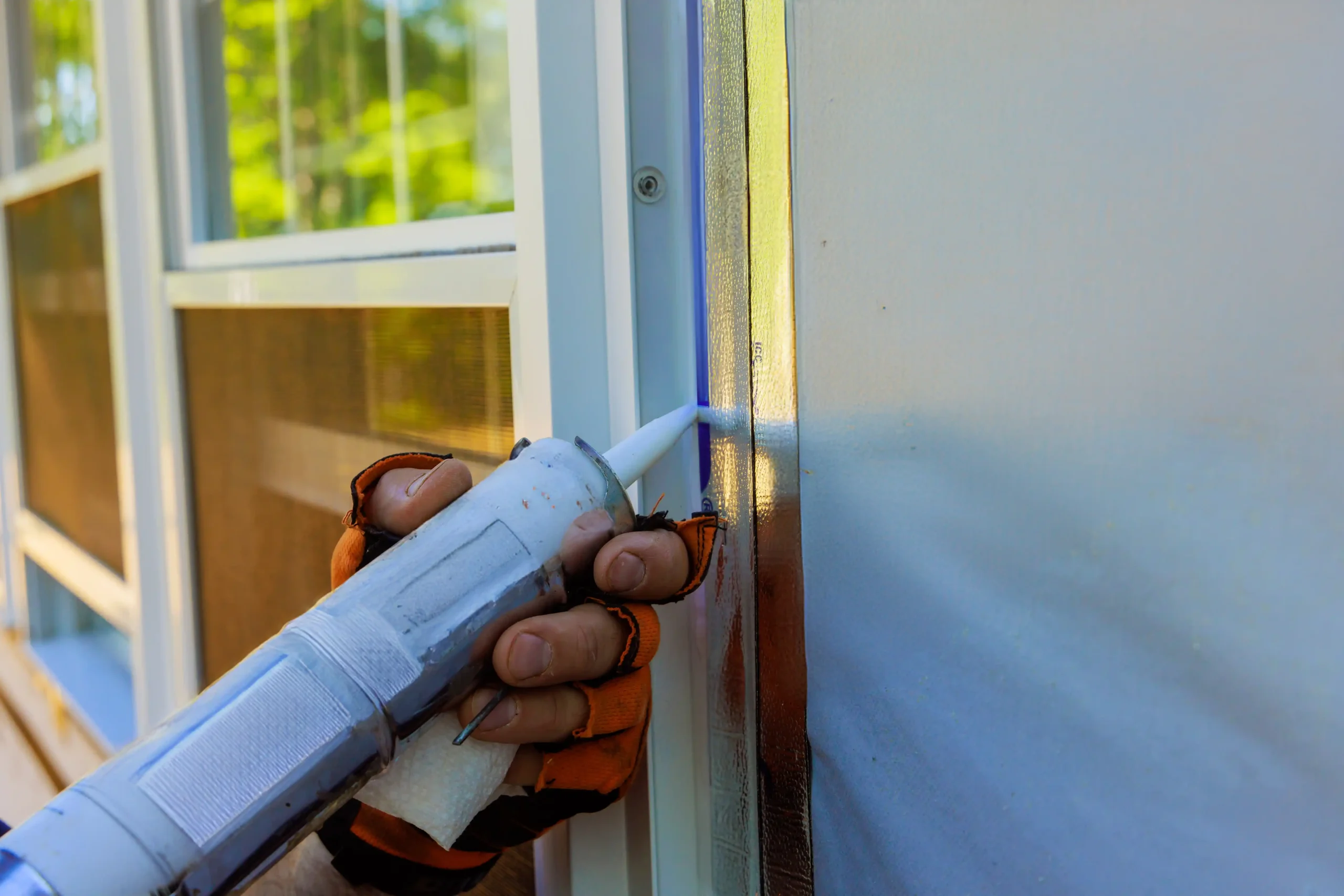
Exterior sealant plays an important role in preventing water from entering gaps between different building components. It is commonly applied around windows, glass panels, curtain walls, concrete sections and expansion joints.
These areas need flexible protection because buildings experience natural movement as temperatures change. Different construction materials may expand or contract at different rates, placing stress on the joints between them. Suitable sealant helps accommodate this movement while reducing the risk of water entering the building.
However, sealant can gradually lose its effectiveness through prolonged exposure to sunlight, rain and environmental pollutants. Poor installation and unsuitable materials can also shorten its service life.
Effective building envelope maintenance is therefore essential for protecting a property against moisture. Identifying defects early allows building owners to arrange repairs before water affects larger areas of the structure or damages interior finishes.
7 Signs That Your Building’s Facade Sealant May Have Failed
1. Fine Cracks Along Sealed Joints
Small cracks along exterior sealant lines can be an early indication of deterioration. Although they may seem insignificant, these openings can gradually widen as the building experiences repeated temperature changes and movement.
Cracks may develop when sealant loses its flexibility, reaches the end of its service life or is unsuitable for the joint in which it was installed.
Inspect the areas around windows, concrete panels and external wall connections for visible splits. If the damage continues to spread or returns shortly after repair, the joint should be assessed to determine whether replacement is necessary.
Older properties may benefit from scheduled building facade maintenance Malaysia services, particularly before periods of heavy rainfall. Regular checks can help identify vulnerable joints before water enters the building.
2. Sealant Edges Separating from the Surface
Another warning sign is a gap between the sealant and the material it should be attached to. The seal may appear complete from a distance, but closer inspection may reveal that one or both edges have lifted away.
This type of defect can occur when the surface was not properly cleaned before application, moisture affected the bonding process or the sealant has deteriorated over time.
Once the bond is lost, rainwater may find a route into the joint. A careful facade joint inspection can help identify these openings and determine whether the surrounding surface also requires attention.
3. Sealant Becoming Hard or Brittle
Exterior sealant must retain enough flexibility to respond to normal building movement. If it becomes stiff, crumbles easily or develops multiple surface cracks, its ability to maintain an effective seal may be reduced.
In Malaysia, repeated exposure to heat and ultraviolet radiation can contribute to the ageing of certain sealant products. The extent of deterioration depends on the material, installation conditions and level of weather exposure.
Building owners should avoid assuming that every hardened seal requires the same treatment. A professional assessment can determine whether the material remains serviceable or needs replacement with a suitable weather-resistant product.
4. Shrinkage and Open Spaces Around Joints
Sealant may shrink as it ages or if the product is applied under unsuitable conditions. When this happens, gaps can develop along the joint, leaving vulnerable sections exposed to rainwater.
These defects are particularly concerning around windows and long exterior joints, where water can travel behind surrounding materials before appearing indoors.
Regular checks of expansion joints can help identify sealant damage before gaps allow rainwater to enter the building. If the existing sealant can no longer perform this function, replacement may be required to restore effective sealing and reduce the risk of leakage.
5. Peeling or Loose Sections of Sealant
Sealant that lifts, peels or appears detached from the surface may indicate an adhesion problem or material breakdown. Bubbles and uneven sections can also point to application issues, although the exact cause needs to be confirmed.
Simply applying a fresh layer over loose or deteriorated material is not always effective. The existing sealant and joint must be examined to determine the correct preparation and repair method.
A professional inspection can help establish whether the affected area needs localised repairs, complete sealant removal or additional work to address nearby defects. This is particularly important when planning building facade waterproofing for properties with recurring water ingress.
6. Damp Patches Around Windows and Exterior Walls
Water stains inside a property may reveal a problem that began outside. Look for discoloured paint, damp plaster, peeling finishes or mould around windows and walls exposed to the elements.
These symptoms can become more noticeable after prolonged rainfall. However, they do not automatically confirm that damaged facade sealant is responsible.
Rainwater may also enter through roof damage, faulty flashing, leaking pipes or clogged drainage systems. A thorough water seepage inspection helps trace the moisture to its source instead of treating only the visible damage.
For example, a damp patch near a window may indicate a failed seal, while moisture spreading from the ceiling could point to a roof or drainage issue. Identifying the source helps property owners select the right repair approach.
7. Water Leakage Returning After Previous Repairs
If the same section of a building continues to leak after repair work, the original problem may not have been fully resolved.
For example, new sealant may have been applied over an unsuitable surface, the old material may not have been removed completely, or the joint may experience more movement than the replacement product can handle.
Water may also enter through another nearby defect and travel along building materials before reaching the interior.
A detailed investigation is important before carrying out further work. Identifying the underlying cause can make building water leakage repairs more effective and reduce the likelihood of repeated maintenance.
What Makes Facade Sealant Deteriorate?
Understanding why sealant fails helps property owners plan appropriate maintenance and protect their buildings.
Exposure to tropical weather: Heavy rain, high humidity, sunlight and temperature fluctuations place ongoing demands on exterior sealant. Regular inspections help identify deterioration before it becomes extensive.
Incorrect installation methods: Sealant may not bond properly if the joint contains dust, moisture, oil or loose material. Incorrect joint dimensions and insufficient curing time can also affect performance.
Movement between building materials: Glass, metal and concrete respond differently to temperature changes. When the sealant cannot accommodate the expected movement, cracks or separation may develop.
Natural ageing: Sealant gradually deteriorates with use. Its service life varies according to the product, exposure conditions, joint design and quality of the original installation.
Unsuitable sealant products: A product that is not designed for exterior use or is incompatible with adjoining materials may fail prematurely. Selecting appropriate materials helps maintain adhesion, flexibility and resistance to outdoor weather.
By understanding these factors, property owners can make informed decisions about repairs instead of repeatedly treating the same problem without addressing its cause.
How Should Building Owners Check Facade Sealant?
Regular visual checks can reveal defects, but inspections must be carried out safely. Building owners should never climb onto ledges or attempt to access high-level exterior joints without suitable equipment and trained personnel.
Begin with accessible areas around ground-floor windows, entrances and covered sections of the property. Look for missing material, cracked lines, peeling edges and gaps around frames.
Inside the building, check walls near exterior openings for dampness, unusual smells, bubbling paint and stains that appear after rain. Photograph affected areas and record when the symptoms occur. These details can help maintenance teams compare changes and investigate possible entry points.
For commercial buildings and high-rise properties, arrange a professional facade inspection when defects occur in locations that cannot be safely examined from the ground.
The inspection should cover more than the sealant alone. Window frames, flashing, drainage outlets, wall cracks and adjoining construction joints should also be assessed to identify the actual source of water entry.
When Is Facade Sealant Repair or Replacement Necessary?
The right repair depends on the extent of the damage and whether the joint can still perform its intended function. Small, isolated defects may need localised attention, while extensive cracking, detached edges or recurring leaks may require complete sealant replacement.
In many cases, the damaged material must be removed before the joint is cleaned, prepared and resealed with a compatible product. The work should follow the manufacturer’s guidance for surface preparation, application and curing.
Professional facade sealant malaysia also requires attention to joint width, depth, expected movement and the condition of the surrounding materials. These factors help determine whether the seal can perform effectively after installation.
Where leakage persists, the assessment may identify other necessary work, including exterior wall crack repairs, flashing repairs or additional waterproofing measures.
Property owners can learn more about suitable solutions through facade sealant application services in Malaysia. Choosing an appropriate repair method helps address vulnerable joints and supports the long-term protection of exposed building surfaces.
How Can Property Owners Reduce Future Sealant Problems?
A planned maintenance routine can help prevent minor defects from developing into more disruptive water leakage problems.
Arrange facade inspections at suitable intervals based on the building’s age, exposure, height and previous repair history. Additional checks may be useful before periods of frequent heavy rain or when signs of moisture appear indoors.
Keep records of earlier inspections, products used and locations where leakage has occurred. This information helps maintenance teams identify recurring defects and plan future replacement work.
Use products designed for the intended application and ensure the surface is properly prepared before installation. Correct joint design, suitable materials and adequate curing time are all important for achieving reliable results.
Appropriate exterior wall waterproofing methods should address the actual path of water entry. Covering a damaged surface without finding the source may only delay the next leak. For commercial properties, planned building facade waterproofing can form part of a wider maintenance programme to help protect exterior surfaces and reduce moisture-related problems.
Most importantly, investigate damp patches as soon as they appear. Early action can help limit damage to paintwork, plaster, ceilings and other interior finishes while reducing disruption to residents, tenants and business operations.
Prevent Rainwater Entry with Timely Facade Maintenance
Deteriorating facade sealant can create openings for rainwater even when the exterior of a building appears to be in reasonable condition. Cracked surfaces, loose edges, shrinking material and recurring damp patches are all reasons to arrange a closer inspection. In Malaysia, regular inspections and appropriate maintenance are particularly important because buildings are repeatedly exposed to rain, humidity and strong sunlight.
By recognising the signs of sealant failure, investigating the cause of water seepage and arranging suitable repairs, property owners can help protect their buildings from avoidable moisture damage. Consistent building envelope maintenance, correct installation and timely replacement also support the long-term performance of exterior joints.
If you notice damaged sealant or recurring leakage in your property, visit Facade.my’s Contact Us page to enquire about facade inspection, sealant application and suitable repair options for your building.
FAQs:
1. How can I tell if the facade sealant around my windows has failed?
Look for visible cracks, peeling edges, shrinking material, gaps or sealant separating from the window frame. Damp patches and water stains near windows after rainfall may also indicate sealant failure.
2. How often should building owners inspect facade sealant in Malaysia?
Building owners should arrange regular facade inspections based on the building’s age, exposure and maintenance history. Additional inspections before periods of heavy rainfall can help identify damaged sealant and prevent water seepage.
3. Can damaged facade sealant cause water leakage inside a building?
Yes. Cracked, loose or deteriorated facade sealant can allow rainwater to enter through exterior joints, window frames and wall connections. This may lead to damp walls, peeling paint, mould growth and interior water damage.
4. Should old facade sealant be removed before applying new sealant?
In many cases, yes. Removing deteriorated sealant allows professionals to clean and prepare the joint properly before applying a compatible replacement. Applying new material over damaged sealant may not provide reliable adhesion or long-term protection.
5. When should property owners hire professionals for facade sealant inspection and repair in Malaysia?
Property owners should seek professional assistance when they notice recurring water leakage, visible cracks, detached sealant or damp patches near exterior walls. Professional inspections help identify the source of water entry and determine suitable facade waterproofing and sealant repair methods.
